Note: Frugal Living is a lifestyle that entails preparedness in times of emergency situations. One of the survival skills that we need to learn is on how to preserve our foods so that we can store them for a long period of time. This article teaches us about freeze drying, a food preservation technique that can be done in the comforts of our home.
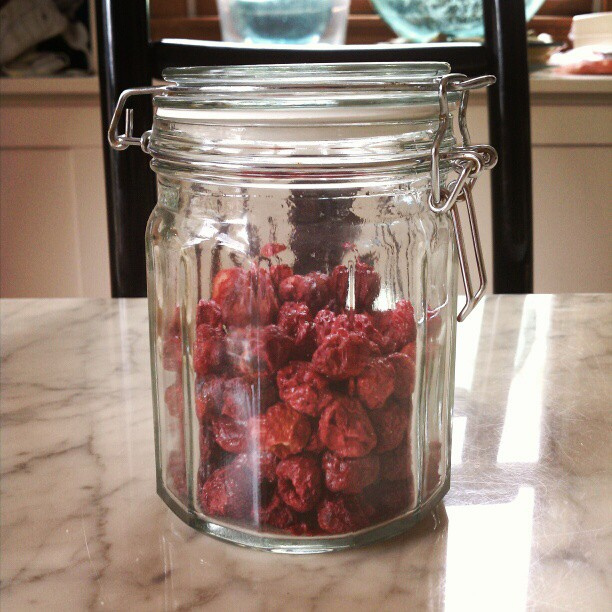
During the Second World War, allied troops found it challenging to transport serum samples to the front-lines. Back then, there was no portable refrigeration technology, and perishable medical supplies were highly prone to spoilage during transit. This necessity forced the army to invent a method of transporting delicate supplies to the infantry units on the ground without risking spoilage. Consequently, their research produced freeze drying.
Freeze drying basically entails chilling foods quickly at very low temperatures, extracting all the liquid content from it and then storing them in containers that are both airtight and watertight. Preserving foods in this manner ensures that it retains its condition, taste, flavor, texture, and nutrients for many years. What’s more, you can carry out the entire process from home using readily available equipment. The following are easy steps for freeze drying foods at home.
Use a Vacuum Chamber
A vacuum chamber is handy for freeze drying foods at home. You can buy the vacuum unit, or construct a homemade chamber if you are technically gifted. Numerous vacuum chamber brands are readily available from different online retailers. Upon flash freezing the foods, store them inside the vacuum chamber and shut it completely. Switch on the pump and raise the pressure gauge to 133*10-3 mbars. This is the ideal pressure to stimulate rapid sublimation for the foods. Finally, remove the foods and store them inside containers that are impervious to both air and water.
Use a Non-frost Freezer
A non-frost freezing unit can freeze dry food samples albeit at a slower period than vacuum chambers. Simply place the food inside a perforated tray and insert it into the freezer. Leave the contents for two weeks in order to induce simultaneous freezing and sublimation. Afterwards, remove a piece of the dry frozen sample and let it thaw. If the food sample turns black, then it is not ready for storage. However, if it retains its natural color and appearance then it is ready for storage.
Use Dry Ice
Frozen carbon dioxide is ideal for dry freezing food samples. This is because water molecules quickly dissipate from most materials in low humidity environments. Thus, placing the frozen food sample in a container filled with dry ice will eliminate moisture from it efficiently.
Place an equal amount of food and dry ice inside a plastic or Tupperware container, and poke a few holes at the top to release excess gases. Place the container inside a freezer to prevent the dry ice from melting. Leave the contents for several days until all the ice disappears and store the food sample. Dried foods are likely to come in handy during nature excursions, mountain hiking tours, and camps in the wild. You can dry freeze fruits and vegetables easily from your home using the three techniques outlined above.
Photo above is used under Creative Commons License. Credit.
About the Guest Author
This guest contribution is brought to us by Food Insurance.com. You may connect with them in Facebook.

it is a great and effective tips. everyone should do this.